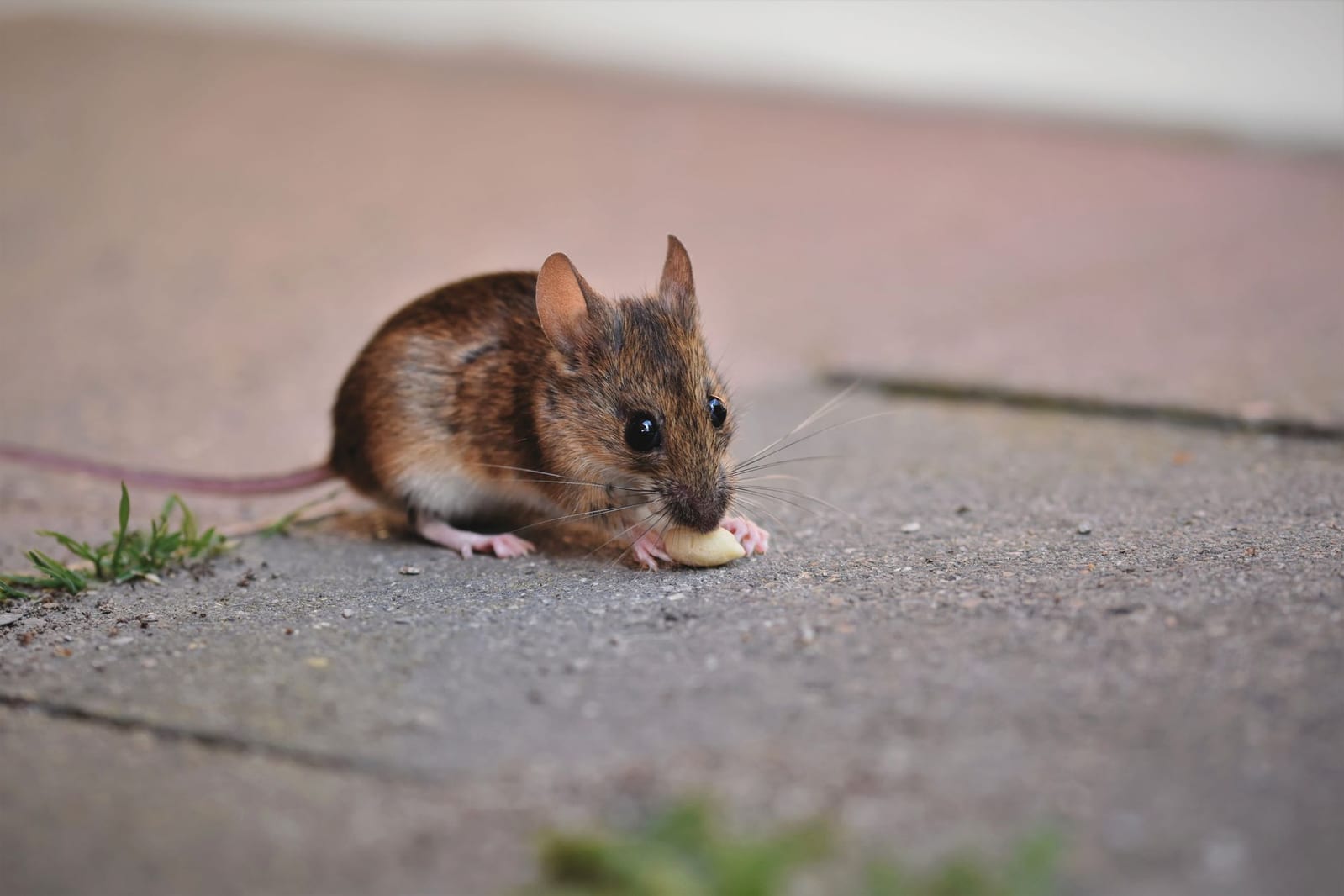
Rodent control in Manhattan: what to know
Manhattan is the densest borough in the country, and its housing stock runs from the early-1900s tenements of the Lower East Side, East Village and Chinatown to grand pre-war apartment buildings and co-ops on the Upper East and Upper West Sides. Thin walls, shared stairwells, original plumbing risers and deep baseboard gaps give German cockroaches and mice constant routes between the island's tightly packed units.
Travel density makes Manhattan a bed bug hotspot: hotels, short-term rentals, frequent sublets and a steady stream of international visitors mean even spotless luxury co-ops face introductions through luggage and second-hand furniture, not poor hygiene. In multi-unit buildings a single untreated apartment rarely ends the problem, because bed bugs move along shared walls and risers.
The borough's restaurant and transit density — Times Square, Penn Station, Midtown food corridors and the subway beneath them — sustains one of the city's largest rat populations, feeding rodent pressure out into adjacent residential blocks, while green edges along Central Park, Riverside Park and the Hudson add seasonal ant and occasional-invader pressure to lower-floor and garden apartments.
How much does rat & mouse control cost in Manhattan?
$200–$1,200
One-time baiting: $200–$500. Exclusion (baiting + entry-point sealing): $400–$900. Ongoing monitoring: $100–$200/month. NYC per-treatment overall: $300–$1,200 (avg ~$475). National per-visit average: $345 (range $216–$495).
| One-time baiting | $200–$500 per treatment |
| Exclusion (baiting + sealing) | $400–$900 per treatment |
| Ongoing monitoring | $100–$200 per month |
NYC pest-control pricing tends to run higher in Manhattan than in Brooklyn or Queens — tier-2 NYC industry sources cite roughly a 10–20% premium, attributed to building-access logistics (walk-ups, elevators, doorman/board approval) and labour costs. This is directional signal from industry blogs, not an independently verified figure — confirm with a quote for your specific building.
Market range — not our quote
This is a market range synthesised from published cost guides — not a quote from this provider. The actual price depends on an in-person or photo-based inspection.
Angi's $345 average (range $216–$495) is the only tier-1, NYC-geo-targeted figure found and is notably lower than the tier-2 NYC blogs' $300–$1,200 claim. Both are shown — do not collapse into a single misleadingly precise number.
What drives the price
- Baiting-only vs full exclusion (sealing entry points)
- Number of visits needed for heavy infestation (3–5 visits can total $700–$1,500)
- Building type / density
- Ongoing monitoring plan vs one-off
Signs you need rodent control
- Droppings along walls, under sinks, or in cabinets and drawers
- Gnaw marks on food packaging, wiring, or baseboards
- Scratching or scurrying noises in walls or ceilings, especially at night
- A persistent musky, ammonia-like odour
- Greasy rub marks along baseboards and runways
How we treat rodent control in Manhattan
New York City has one of the densest rodent populations in the world. Aging infrastructure, restaurant-heavy blocks and continuous construction give rats and mice food, shelter and highways between buildings. Killing the rodents you can see is only half the job — without sealing how they get in, the next wave moves in within weeks.
Our rodent programme is built around exclusion: we inspect the building envelope for gaps around pipes, vents, foundation cracks, door sweeps and utility penetrations — rats can squeeze through a hole the size of a quarter, mice through a dime. We seal those entry points, then knock down the active population with a combination of trapping and tamper-resistant baiting placed away from people and pets.
Local landmarks & coverage
We serve all of Manhattan and the surrounding Manhattan area — including Central Park, Times Square, Empire State Building, Wall Street, Grand Central Terminal, the High Line — across ZIP codes 10001, 10002, 10009, 10011, 10014, 10016, 10019, 10025, 10027, 10128.