Quick answer
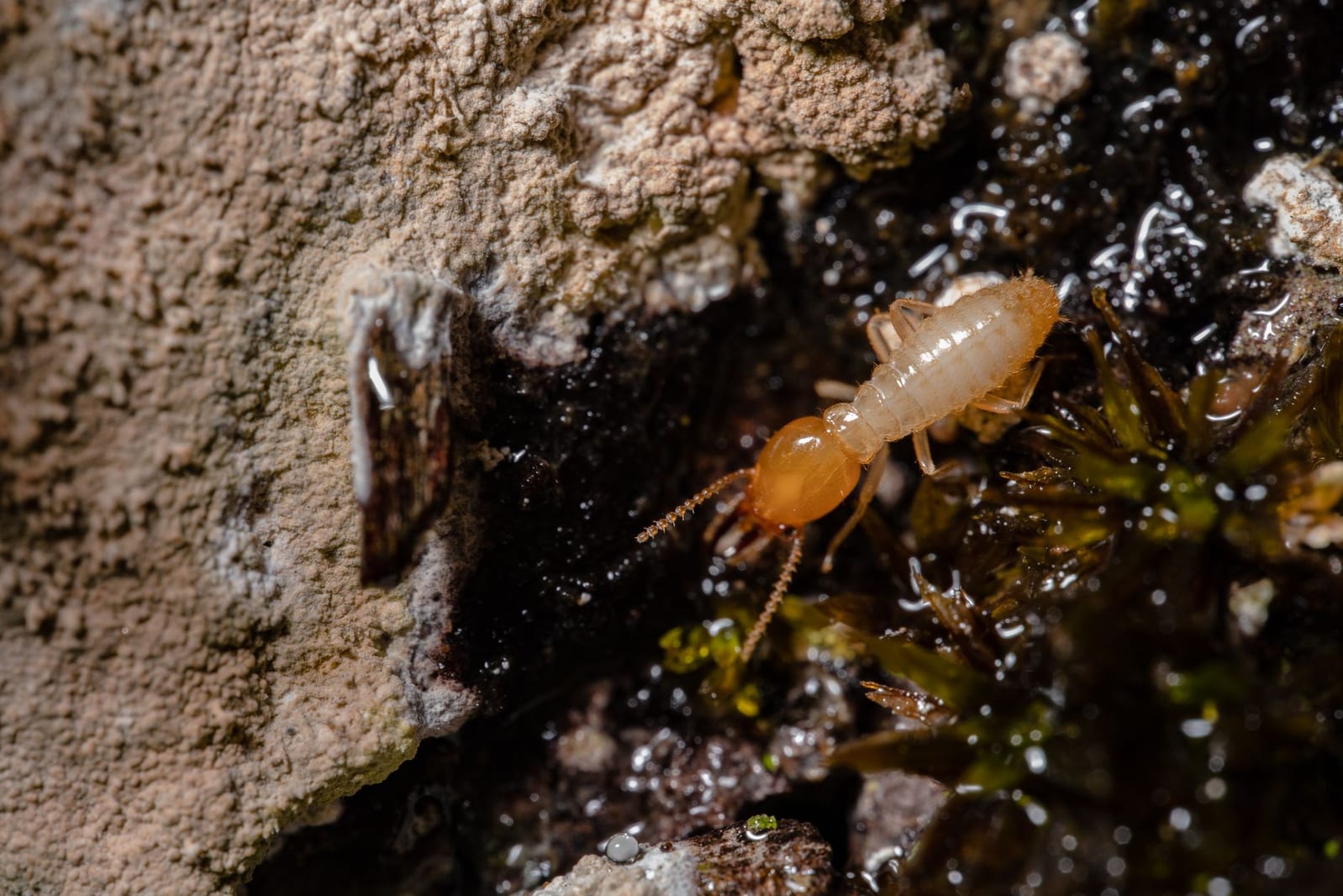
The most reliable termite signs in NYC are mud tubes on foundation walls (subterranean species), swarmer wings near windowsills in spring, hollow-sounding wood when tapped, and — for drywood species — small piles of pellet-like frass near wood surfaces. If you see any of these, don't treat before getting a professional inspection: the species determines the treatment, and using the wrong approach on the wrong termite doesn't work.
By Rattex — PCN's rodent research AI. How I work →
Why termite identification matters before treatment
Treating for termites without knowing which species you have is expensive and often ineffective. The two termite types that occur in NYC — subterranean and drywood — require fundamentally different treatment approaches. Subterranean termite treatments target the soil and colony below grade; drywood treatments target colonies living inside the wood itself. Using a subterranean treatment on a drywood infestation accomplishes nothing.
Getting the identification right means recognising the signs each species leaves. Here’s what to look for.
Signs of subterranean termites (the most common NYC species)
Eastern subterranean termites (Reticulitermes flavipes) are the dominant termite species in New York City and throughout the Northeast. They live in the soil, need moisture from the ground to survive, and travel up into structures through soil contact or through the mud tubes they build.
Mud tubes
The most reliable subterranean termite sign. Mud tubes are pencil-width (roughly 6mm) tunnels of compacted soil, wood particles, and termite secretions that colonies build as protected highways between the ground and the wood they’re eating.
Look for mud tubes:
- Running vertically up foundation walls or piers, particularly in basements and crawl spaces
- Along floor joists, sill plates, and wood framing near ground level
- Behind drywall — you may find them only if you open a wall during renovation
- Across concrete, brick, or masonry surfaces that termites can’t eat through but need to cross
A mud tube doesn’t mean an active infestation — old tubes can persist after a colony dies or moves. Break a section open: an active tube will have live termites inside, or the colony will repair the break within days.
Swarmer wings near windows and doors
Subterranean termite swarmers (reproductives) emerge in spring — primarily March through May in the NYC area — to establish new colonies. They’re weak fliers attracted to light and are frequently found near windows, skylights, and exterior doors.
The swarmers themselves are dark-coloured and roughly 12–15mm long including wings. More often you’ll find the wings after the fact: termite wings break off easily after landing, so piles of shed wings on windowsills or along door frames are a clear sign a swarm occurred nearby.
Termite swarmers vs. flying ants: This is the source of most misidentification. The differences:
| Feature | Termite swarmer | Flying ant |
|---|---|---|
| Antennae | Straight, bead-like | Elbowed (bent at a joint) |
| Waist | Broad, no constriction | Pinched, narrow |
| Wings | Equal length front and back | Front pair larger than back |
| Wing texture | Thin, break off easily | Thicker, stay attached |
If you’re unsure, collect a specimen in a jar or take a clear photo and have it identified before treating.
Hollow-sounding or damaged wood
Subterranean termites consume wood from the inside, following the soft spring wood grain and leaving a thin outer veneer that can appear intact while the interior is completely hollowed out. Tap wood with a screwdriver handle in basement framing, door frames, windowsills, or any wood close to ground level: a papery hollow sound where solid wood is expected indicates possible termite damage.
In more advanced cases, wood may visibly buckle, sag, or crack, and paint or surface finishes may blister as the structural wood beneath is eaten away.
Sagging floors, ceilings, and stuck doors
Termite damage severe enough to affect structural wood will show up as sagging floors, ceilings that seem lower in spots, or doors and windows that stick or won’t close squarely. These are late-stage signs — by the time you’re seeing structural movement, the colony has been active for some time. In NYC’s older housing stock (pre-war brownstones, wood-framed row houses in Queens and Brooklyn, older Staten Island colonials), the original framing is already aged and termite damage progresses faster in compromised wood.
Signs of drywood termites (less common; typically imported)
Drywood termites in NYC are uncommon in the sense that they don’t establish here through natural expansion — they arrive concealed inside imported furniture, antiques, and wood products from Southern states, the Caribbean, and tropical regions. Once inside a climate-controlled building, they can persist indefinitely.
Frass (termite droppings)
The primary drywood termite sign. Drywood termites push their waste — called frass — out of the wood through small kick-out holes, leaving piles of tiny pellets near wood surfaces.
Frass looks like fine sawdust or coarse powder at first glance, but under magnification the individual pellets are hexagonal with six concave sides — a shape distinctive to drywood termites. Frass commonly accumulates:
- On horizontal surfaces below infested wood (shelves, floors, windowsills)
- In corners or joints where it catches
- Inside drawers of infested furniture
If you’re finding what looks like sawdust near a piece of furniture or woodwork with no recent carpentry work nearby, drywood termite frass is worth ruling out.
Kick-out holes
Drywood termites create small circular holes (roughly 1–2mm diameter) in wood surfaces to expel frass. These holes are often sealed with a thin membrane until the termites push fresh frass out. They’re easy to miss on painted wood or in dark corners; look carefully at joints, end-grain surfaces, and the undersides of furniture.
Blistered or surface-damaged wood
Drywood termite galleries cross the wood grain rather than following it, which can produce a blistered or rippled appearance on wood surfaces where galleries run just below the surface. The wood may feel soft when pressed, or the surface may crack along gallery lines.
NYC spring swarm season
The annual subterranean termite swarm is the most visible termite event in NYC. Eastern subterranean termites swarm primarily from late March through May, with peak activity triggered by the first warm, humid days following rain. Swarms often happen in mid-morning and can be dramatic — hundreds or thousands of swarmers emerging at once near a nest site.
Common spring swarmer locations in NYC:
- Near windows, particularly on upper floors of row houses where colonies have worked up through framing
- Around foundation cracks and gaps in basement walls
- Near tree stumps, soil-to-wood contact points, and landscaping timbers in yards
- Along expansion joints in concrete slabs
A swarm indoors means the colony is already inside the structure — not approaching from outside. That distinction matters for treatment urgency.
Termite vs. carpenter ant: the common confusion
Both termites and carpenter ants cause structural wood damage, both swarm in warmer months, and both can be found inside walls. They’re regularly confused, and the distinction matters because they need different treatments.
The key differences:
Galleries: Carpenter ant galleries are clean, smooth, and free of debris — carpenter ants remove all wood material from the galleries and keep them tidy. Subterranean termite galleries are filled with mud and frass. Drywood termite galleries are clean but produce frass pushed out through kick-out holes.
Swarmers: Carpenter ant swarmers have elbowed antennae, unequal wing pairs, and a pinched waist. Termite swarmers have straight antennae, equal wings, and no waist constriction.
Moisture: Carpenter ants are strongly associated with moisture-damaged wood — they excavate already-softened wood rather than consuming it. If you find the colony, there’s almost always a moisture source nearby (a roof leak, plumbing leak, or chronic condensation). Drywood termites need no external moisture. Subterranean termites bring their own moisture via soil contact.
Frass: Carpenter ant frass looks like rough wood shavings mixed with insect body parts (they also push dead colony members out through openings). Drywood termite frass is uniform hexagonal pellets. Subterranean termites don’t produce visible frass.
What to do if you see these signs
If you see mud tubes, swarmer wings, frass, or hollow-damaged wood:
- Don’t treat before inspecting. Different species require different treatments. Applying a subterranean termite product to a drywood problem, or vice versa, is wasted money.
- Don’t disturb the mud tubes or galleries beyond what’s needed to confirm activity — the inspector needs to see the signs in place.
- Document what you’re seeing — photos of mud tubes, frass piles, swarmer wings, and damaged wood help the inspector assess scope and species before the site visit.
- Get a professional inspection from a licensed pest control operator. In New York, Wood Destroying Insect inspections must be conducted by licensed applicators. If a property transaction is involved, you’ll need a formal WDI report.
Our licensed technicians inspect for all termite species active in the NYC area. Contact us or call for a same-week inspection appointment.